full-body Reformer Pilates workout can look a bit mysterious from the outside. There is a moving carriage, springs, straps and people gliding back and forth in a calm, focused way. If you have ever wondered what it actually feels like in your body, you are not alone.
We want to walk you through the experience so you know what to expect from the moment you step into the studio to the moment you walk back out into your day. Our focus is on gentle, low-impact movement that builds real strength, improves how you move and leaves your mind a little quieter than when you arrived.
Step Into the Reformer: What You Can Really Expect
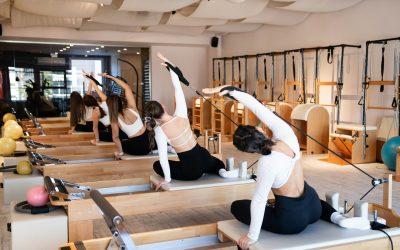
You arrive on a cool morning, maybe with a jumper on and a bit of stiffness through your back and hips. The studio is calm and quiet. There is soft light, clean equipment and a relaxed feel. Your instructor greets you by name, asks how you are feeling and checks in about any tight spots or old niggles. It already feels different from a busy gym floor.
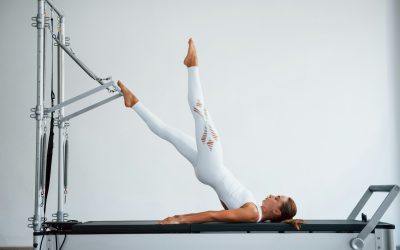
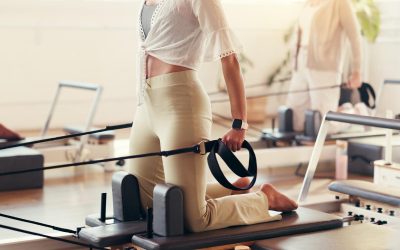
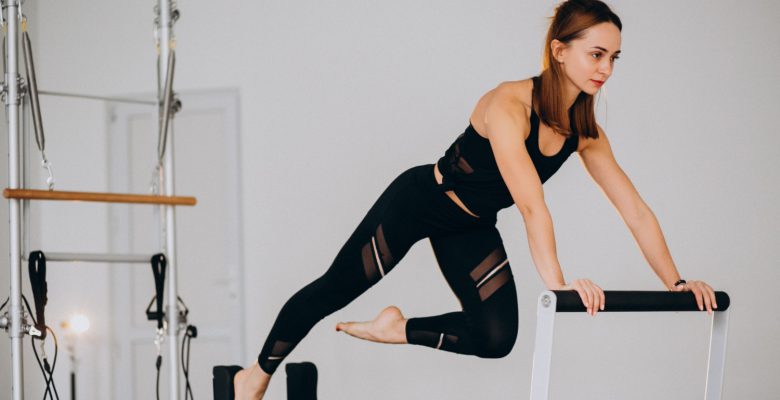
The Reformer itself looks like a narrow bed with a padded platform that slides back and forward. Springs underneath it give resistance. At one end there is a footbar, and at the other there are long straps with handles. In simple terms, you push or pull against the springs while the carriage moves. It might look a bit strange at first, but once you lie down and place your feet on the bar, it starts to make more sense.
From the first few movements you notice three things:
- Your joints feel supported rather than squashed or jolted
- Your muscles are working in a smooth, steady way
- Your mind begins to slow down because you need to focus on what you are doing
That is the key promise of a full-body Reformer Pilates workout. It is kind to your body, powerful for your strength and mobility, and surprisingly soothing for your nervous system.
From First Foot on the Carriage to Your Final Stretch
Class usually starts with your instructor setting you up on the Reformer. You are guided on where to place your feet or hands, how to lie on the carriage and how to use the headrest and straps. There is no rush. You are encouraged to notice your breath and allow your shoulders to soften.
The warm-up often focuses on your spine and hips. Small movements like gentle presses through the feet or light pelvic tilts help to wake up the muscles around your middle. This is especially helpful when the weather is cooler and everything feels a bit stiff first thing.
As the session moves on, the flow feels smooth rather than frantic. You might:
- Start on your back with feet on the bar, working legs and core
- Move to hands in straps for arm and upper-body work
- Sit or stand on the carriage for balance and postural work
- Finish with stretches to let everything settle
Instead of big bursts of effort, you move from one exercise to the next with control. The instructor offers different spring settings and options so you can choose what feels right for your body that day. If you are newer to Pilates or have old injuries, you are shown gentler variations. If you are feeling stronger, you might take on a bit more challenge.
The pace of class is focused but unhurried. There is space to pause, adjust your position or ask a quick question. Over time, this steady rhythm helps you feel more at home on the equipment and more confident in your own movement.
How a Full-Body Reformer Pilates Workout Feels in Your Muscles
One of the first sensations many people notice is a gentle, controlled shake in the muscles, especially in the legs. It is not painful, just a sign that you are working deeper muscle layers that might not get much attention in everyday life.
Here are some of the main areas that tend to wake up in a full-body Reformer Pilates workout:
- Core stability: deep muscles around your waist, lower back and pelvic floor
- Glutes and thighs: the back and sides of the hips, plus the front and back of the legs
- Upper back and postural muscles: between the shoulder blades and around the shoulder joints
- Ankles and feet: the smaller stabilising muscles that support your balance
The work often feels like length rather than bulk. For example, as you press the carriage away with your legs, you feel a stretch through the back of the legs at the same time as the muscles are working. When you pull the straps with your arms, you feel your chest opening and your spine growing taller.
We talk a lot about the difference between good work and pain. Good work might feel like:
- A strong, steady effort
- Gentle shaking that eases once you rest
- Stretching that feels like release, not tearing
Pain, sharp pinching or anything that feels wrong is never the goal. Your instructor will help you adjust springs, foot placement or range of movement so you stay in that sweet spot where you are challenged but still feel safe.
Calm Mind, Easy Joints: The Low-Impact Difference
Reformer Pilates is low-impact because the springs, carriage and body positions support you. You are often lying down, seated or in a supported standing position. This takes pressure off your knees, hips and spine while still letting your muscles do plenty of work.
Instead of heavy weights, the springs provide resistance that you can change quickly. Lighter springs can make stability work harder, while heavier springs can support you in stretches. This gives you lots of options without loading your joints in a harsh way.
The mental side is just as important. During class you are guided to:
- Match movement with your breathing
- Notice where your body is in space
- Pay attention to alignment in simple, clear ways
This focus becomes a kind of moving meditation. There is not much room in your head for to-do lists when you are counting springs, feeling your feet and breathing through a slow, controlled press. Many people leave feeling calm, clear and less frazzled, even if they arrived feeling tense or rushed.
If you tend to feel stiff from sitting more, old injuries or cooler weather, Reformer Pilates can help you loosen up without setting anything off. The support from the carriage and the ability to fine-tune each exercise means we can work around sore spots while still helping you feel more mobile and energised.
From Studio to Everyday Life: How You Feel After Class
Right after class, it often feels like your body has been gently ironed out. Your posture feels taller, your steps feel lighter and your breathing feels a bit freer. Muscles feel pleasantly worked, not smashed. You might notice you turn your head more easily when driving, or that your shoulders sit a bit further away from your ears.
Over time, with regular classes, many people notice changes in their day-to-day life. For example:
- Less stiffness getting out of bed in the morning
- A stronger core for gardening, walking or lifting kids and grandkids
- Better balance and confidence on uneven ground
- Less general tension through the neck and shoulders
It is normal to feel some new muscles switch on in the first few sessions. You might notice a gentle ache in places you did not know existed. This usually settles as your body adapts. With a few weeks of consistent practice, most people start to feel smoother, stronger and more resilient in regular tasks.
A full-body Reformer Pilates workout is not about quick fixes or pushing to exhaustion. It is about building strength that you can feel when you bend, reach, carry and move through daily life, with a calmer mind riding along for the rest of the day.
Transform Your Strength And Mobility With Personalised Pilates Support
Experience how iThrive Pilates can help you build core strength, improve posture and feel more energised in every part of your day. Book a tailored full-body reformer Pilates workout with our experienced instructors and start progressing toward your goals with confidence. We will guide you through each session, adjusting the exercises to suit your body, fitness level and lifestyle. Take the next step today so your future workouts feel more effective, balanced and sustainable.